Project MuoVis
A system that scans large objects using cosmic particles.
We use muons from space to find hidden voids, danger zones, and dense materials inside objects — without destruction.
How It Works
- 1 Cosmic rays create muons in the atmosphere.
- 2 Muons penetrate the object.
- 3 Detectors record their trajectory.
- 4 Computer generates a 3D density map.
Live Muon Tracker
10,000
Muons passed through you this minute
Why it matters?
Today, it is difficult to inspect large structures without damaging them.
- Cannot drill archaeological monuments.
- Dangerous to check nuclear containers.
- Hard to explore deep underground mines.
- Bridges and tunnels may have hidden defects.
Where is it used?
🏺
Archaeology
Finding hidden chambers and rooms inside ancient pyramids.
⛏
Geology & Mines
Detecting hidden voids and anomalies in rock formations.
☢
Security
Scanning containers for hazardous or dense nuclear materials.
🌉
Infrastructure
Scanning bridges and tunnels to detect hidden structural defects.
Our Solution
MuoVis is a revolutionary step in muon tomography.
- Compact muon detector
- Modular system architecture
- AI data analysis and prediction
- Ability to be mounted on a drone
Why is it innovative?
- Cosmic particles
- Non-destructive
- High mobility
- Real-time AI
Live Demo
Experience how muon scanning reveals the invisible.
🛕
Project Experts

Stepan Filatov
Nuclear Physicist

Vitalii Bubulici
Archaeologist

Alexei Harjevschii
Electronic Architect
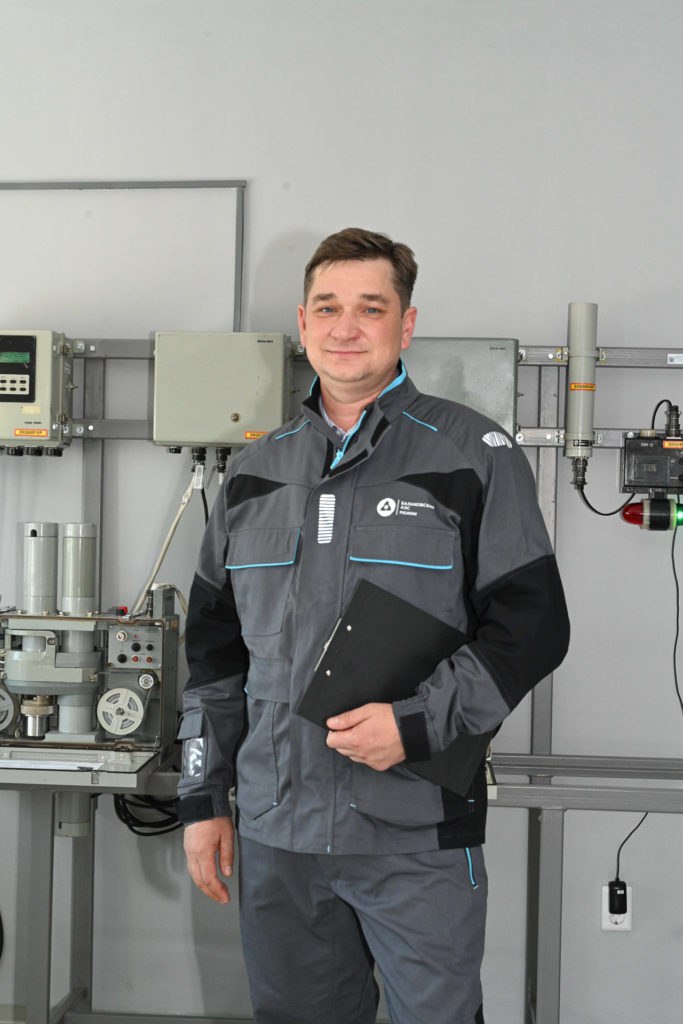
Zurab Manvelov
Radiation Systems Engineer

Nicolai Budiko
Senior Software Developer